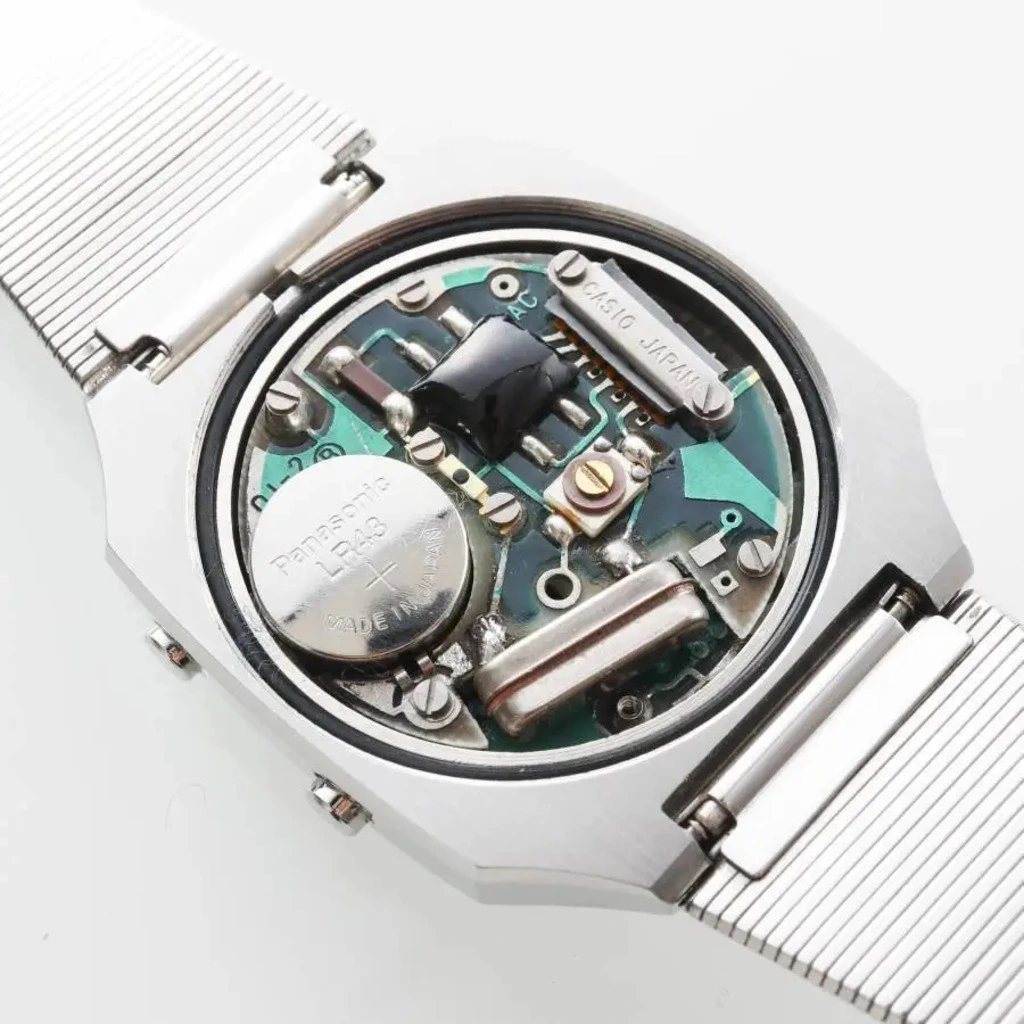
They don’t make ’em like they used to isn’t just a well-worn cliché. It’s partly rooted in empty nostalgia, sure, but mostly in the reality of creeping enshittification — the process by which the provision of products and services gradually devolves into something approaching a scam: stuff made to be sold rather than used. This is a byproduct of the ongoing war on democracy by the ruling class, which has always been a thing but really started to get organised with the formation of the Mont Pelerin Society in 1947, eventually metastasising into the elevation of Milton Friedman, then Thatcher, and ultimately of shareholder returns as the final word on everything.
The enshittification of consumer goods has occurred at different times and at different rates. For electronics, it probably kicked off somewhere in the fuzzy stretch between the mid-80s and the end of the century – hard to pin down precisely, because there’s always been pressure to develop cheaper manufacturing. In some alternate timeline where democracies weren’t so thoroughly captured by minority interests, you could imagine a legally enforced imperative to minimise landfill. Disposable batteries would be all but obsolete. There’d be a systemic bias toward using our limited resources to create far fewer, far more beautiful objects – designed to be repaired, designed to last.
Anyway, political ranting aside: look at Casio’s lineup during the seventies and early eighties, and stainless steel is everywhere. Almost every digital module was available in at least a plated base-metal case alongside the resin versions. From around 1978 there was an explosion of creativity in LCD design, an engineering arms race to cram surprising amounts of utility; even fun, into tiny packages. That energy gradually morphed into an emphasis on style and marketing by the end of the 90s, and then largely disappeared.
Cast an eye at Citizen’s or Seiko’s current digital lineups and there’s little more than tumbleweeds. What about smartwatches? Well, many of them are essentially most of a phone – power-hungry displays, requiring a relatively large cell that still needs charging every day or two. It’s as though something crucial gets lost when the low-power constraint is lifted; as though, without it, the thing is no longer quite horology. Maybe the same applies to a general-purpose high-resolution display, or perhaps only when it’s freed up to run arbitrary software. Entirely subjective, of course – some would argue it’s not proper horology if it needs a battery at all.
At any rate, a gap in the continuum all the way from glorious artisanal heirloom to tomorrow’s e-waste is not hard to see. But how much of that supposed dichotomy is truly either/or? Can something with a heart that required a twenty-billion-dollar factory to produce have any soul? It’s a space that’s barely been explored.
Leave a Reply